

System Design Patterns
Understanding Monolith vs Microservices with real-world system design insights
🚀 Introduction
System design is the backbone of scalable applications. As systems grow, choosing the right architecture becomes critical. Two widely used approaches are Monolithic and Microservices architecture.
🏢 Monolithic Architecture
✅ Advantages
- Simple to build and deploy
- Easier debugging
- No network latency
❌ Disadvantages
- Hard to scale
- Tightly coupled codebase
- Slower development as system grows
⚙️ Microservices Architecture
✅ Advantages
- Highly scalable
- Independent deployments
- Better fault isolation
❌ Disadvantages
- Complex architecture
- Network latency
- Difficult debugging
⚖️ Monolith vs Microservices
Monolith
- ✔ Single codebase
- ✔ Easy to start
- ❌ Hard to scale
- ❌ Tight coupling
Microservices
- ✔ Independent services
- ✔ Scalable
- ❌ Complex setup
- ❌ Requires DevOps
🌍 Real-World Use Case
In an influencer platform like Billionaire Vox:
- Monolith → All services run in a single system
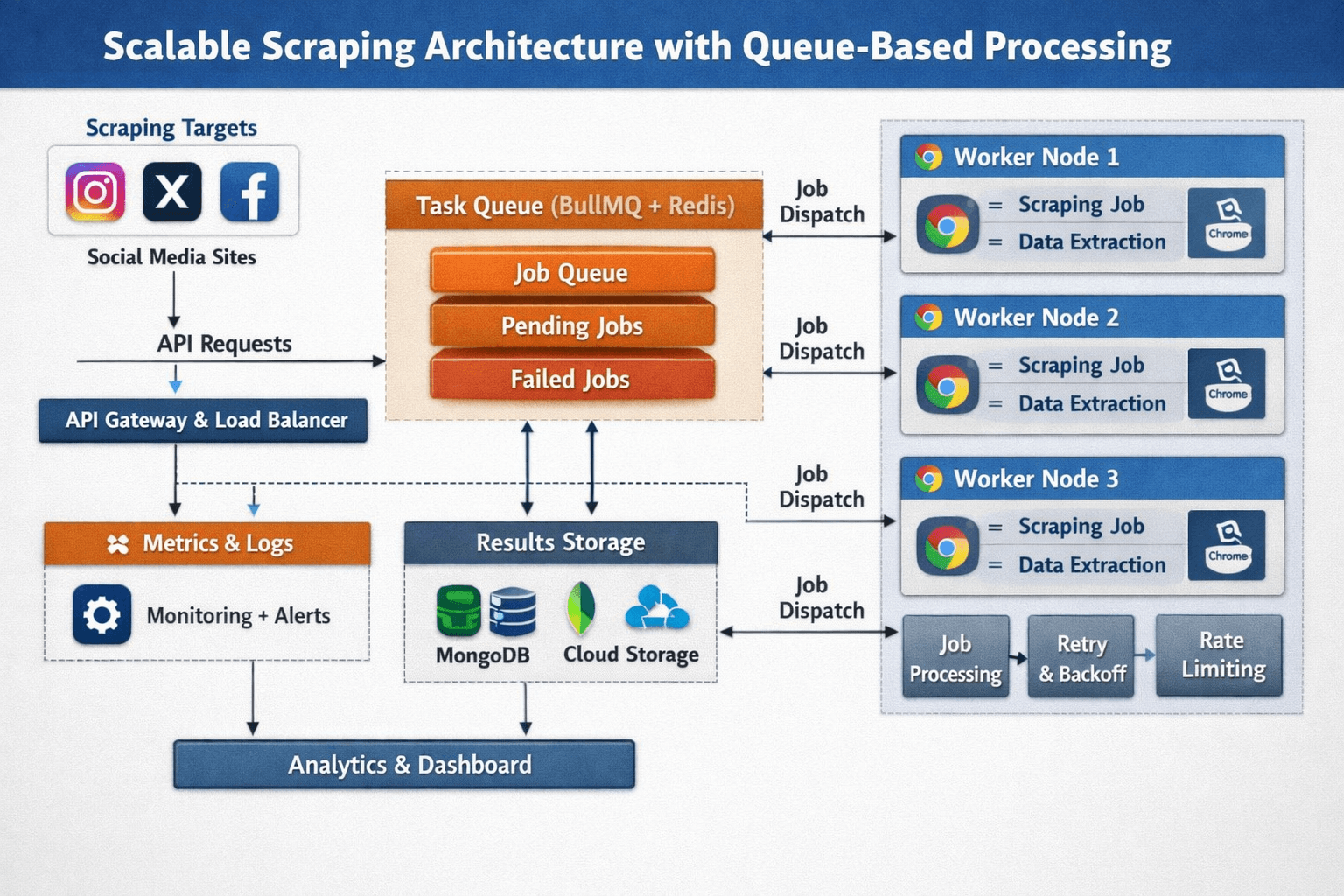
- Microservices → Separate services for campaigns, payments, scraping, and notifications
💡 Which One Should You Choose?
Start with a monolith for simplicity. Move to microservices when your system scales, multiple teams collaborate, and high performance is required.
- System grows large
- Multiple teams are involved
- Scalability becomes critical
🎯 Conclusion
There is no one-size-fits-all solution. Choosing the right architecture depends on your system requirements, team size, and scalability goals.